Menu
Same-Day Service Available!
Professional tile and grout cleaning can make a noticeable difference in kitchens, bathrooms, entryways, laundry rooms, and other hard-surface areas throughout the home. However, homeowners sometimes wonder whether they need to do anything before the cleaning technician arrives.
The good news is that preparing your floors does not require hours of scrubbing. In fact, doing too much beforehand can sometimes make the professional cleaning process more complicated. The goal is simply to create a clear, accessible workspace and make sure the technician knows about any areas that need extra attention.
For families in Bowling Green, Kentucky, tile floors often deal with a combination of everyday foot traffic, tracked-in soil, cooking residue, spills, moisture, and the normal wear that comes with a busy household. Over time, those everyday messes can collect along grout lines and textured surfaces. Regular sweeping and mopping help with routine maintenance, but they may not reach the buildup sitting deeper in porous grout.
That is where professional tile and grout cleaning can help.
A little preparation before your appointment can make the visit easier for everyone. Moving small items, identifying trouble spots, keeping pets safely out of the work area, and avoiding last-minute chemical treatments can help your cleaning technician focus on the floor itself.
This guide walks through how to prepare tile floors before professional cleaning, what not to do, what homeowners should expect, and how to keep those surfaces looking better afterward.
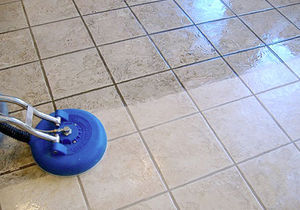
Tile has a reputation for being easy to maintain, and in many ways it is. A quick sweep followed by regular mopping can remove loose dirt, crumbs, and many fresh spills. The challenge usually develops in the grout lines.
Many traditional cement-based grout products are porous. That means the surface can gradually absorb moisture and staining materials. The Tile Council of North America explains that cementitious grout can absorb stains and that residue from certain cleaners may also remain behind if the floor is not rinsed properly.
This helps explain something many homeowners notice: the tile itself may still look fairly bright while the grout slowly becomes darker.
Kitchen floors can collect cooking oils, food residue, drink spills, and dirt tracked in from outside. Bathroom grout frequently encounters moisture, soap residue, cosmetics, and everyday foot traffic. Entryways may deal with soil from shoes, while laundry room floors can collect detergent splashes and lint.
As this material settles into grout lines, routine mopping may remove what is sitting on the tile without fully removing what has worked its way into the grout.
Sometimes repeated mopping can even spread dirty water across the floor. Once the moisture evaporates, a portion of the suspended soil or cleaning residue may remain behind.
Professional tile and grout cleaning is designed to go beyond that everyday surface maintenance and address buildup more thoroughly.
Preparing the room is not about cleaning the floor for the cleaning company. You are hiring professionals because you want them to handle the difficult part.
Instead, preparation is about access.
A technician can work more efficiently when the floor is not covered with trash cans, pet bowls, bath mats, baskets, stools, toys, or other small objects. Clear access also makes it easier to inspect the entire surface before cleaning begins.
Preparation gives you another advantage: it helps you notice specific concerns before the appointment.
For example, you may discover one grout line that is noticeably darker than the others. You might notice a sticky area near the stove, a spot where a pet bowl has repeatedly spilled water, or discoloration behind a bathroom trash can.
Pointing these areas out during the initial walkthrough helps the technician understand what you are hoping to improve.
Safe-Dry® of Bowling Green begins professional cleaning services with an assessment of the areas being treated so homeowners can understand the recommended approach before the work begins. You can learn more about the local Bowling Green team and available home cleaning services through the Safe-Dry® Bowling Green service page. Safe-Dry® Carpet Cleaning of Bowling Green, KY
Start by clearing anything that can easily be picked up and moved.
In kitchens, that might include pet bowls, floor mats, recycling bins, small trash cans, portable shelves, or decorative items. In bathrooms, remove bath mats, scales, baskets, toilet brushes, small storage containers, and floor-standing accessories.
Entryways may have shoe racks, umbrellas, mats, or baskets that can be moved temporarily.
You do not need to empty the entire room. Focus primarily on items resting directly on the areas you want professionally cleaned.
Moving these objects before the technician arrives helps create a continuous cleaning area instead of forcing the cleaner to stop repeatedly and relocate household belongings.
It is also helpful to pick up charging cables or extension cords that may cross the cleaning area.
If something is heavy or difficult to move safely, leave it alone. Never strain yourself trying to relocate a large appliance, vanity, cabinet, or other heavy piece just because you have a cleaning appointment.
Your technician can explain what areas can be cleaned safely around larger objects.
If your tiled area contains movable dining chairs, small stools, lightweight end tables, or similar furniture, moving them can provide better access to the floor.
A nearby carpeted room, garage, bedroom, or another part of the house can temporarily hold these items.
However, large furniture should generally stay where it is unless you have already discussed moving it with your cleaning company.
Dragging furniture across tile can scratch certain surfaces, damage furniture legs, or place unnecessary stress on grout joints. Instead of pulling heavy furniture across the room, ask your technician whether it needs to be moved at all.
For dining areas, removing chairs is often enough to create significantly more working space without disrupting the whole room.
Preparing this way also gives you an opportunity to check beneath furniture for forgotten spills, food particles, or other buildup that may need additional attention.
You do not need to mop before professional tile and grout cleaning. However, removing loose debris can be helpful.
A quick sweep or vacuum can pick up crumbs, pet hair, dust, dry soil, and other particles sitting on the floor.
Keep this step simple.
There is no need to scrub the grout, wash the floor repeatedly, or spend an hour trying to make the room look clean before the technician arrives.
Think of it the same way you might prepare for professional carpet cleaning. Removing toys and loose objects helps the carpet cleaner reach the flooring more easily, but you would not professionally clean the carpet yourself immediately before the appointment.
The same principle applies to tile.
If you vacuum your tile, make sure the vacuum attachment is appropriate for hard floors. Avoid aggressive rotating brushes that could potentially scratch delicate surfaces.
A basic removal of loose debris is enough.
Homeowners occasionally decide to give the floor one last deep mop the night before professional cleaning. While the intention is good, it usually is not necessary.
In particular, avoid coating the floor with waxy cleaners, oil soaps, heavy fragrances, or products that leave a visible shine or film.
The Tile Council of North America notes that oil- or wax-based cleaning products can leave residue in grout. It also explains that even cleaners that are otherwise appropriate can leave a sticky film when they are not rinsed thoroughly.
That residue may attract additional dirt and may need to be addressed during professional cleaning.
If you normally mop your floors regularly, simply continue your ordinary maintenance schedule. There is no need for a special pre-cleaning treatment.
Let the professional cleaning process handle the deeper buildup.
One of the most important preparation tips is also one of the easiest: avoid experimenting with aggressive cleaning products immediately before your appointment.
Home cleaning advice online often recommends ingredients such as vinegar, bleach, ammonia, baking soda, dish detergent, hydrogen peroxide, and numerous combinations of these products.
The problem is that tile and grout materials vary.
A product that works acceptably on one surface may not be suitable for another. Natural stone, ceramic tile, porcelain tile, cement-based grout, epoxy grout, sealers, and other materials can react differently to household cleaning solutions.
Acidic products deserve particular caution around cementitious grout. According to the Tile Council of North America, cement-based grout is alkaline and can be attacked by acids. Their grout-care guidance specifically cautions against using acid-based cleaning as a routine approach.
There is also an important safety issue when combining household cleaning chemicals.
The U.S. Environmental Protection Agency advises homeowners to read product labels carefully, use cleaning products according to their directions, and never mix cleaning products together unless specifically directed to do so.
Instead of testing several products before your appointment, tell the technician what has previously been used on the floor. That information may help when evaluating the condition of the tile and grout.
Before the technician arrives, walk around the room and look at the floor from several angles.
You may notice problems you normally overlook.
Check areas near exterior doors, under kitchen tables, around sinks, beside toilets, around pet feeding stations, in front of appliances, and along heavily traveled pathways.
Look for grout lines that appear darker, areas with sticky residue, spots that never seem to improve with mopping, or sections that seem dull compared with the surrounding tile.
You do not have to diagnose the problem yourself.
Simply remember where those areas are so you can point them out during the appointment.
For instance, you could tell your technician, “This section near the kitchen sink always stays darker,” or, “We had a spill here several months ago.”
That information is much more useful than trying to treat the area with several different products immediately before service.
Has your grout been sealed?
Was the tile installed recently?
Did you use a floor polish, wax, grout colorant, DIY sealing product, or restoration product?
Have you recently attempted stain removal?
Share whatever you know.
You do not need perfect records. Even approximate information can be useful.
For example, saying that the previous homeowner sealed the grout at some point is still worth mentioning, even if you do not know which product was used.
The same goes for floors that have been refinished or coated.
Professional tile and grout cleaning should account for the actual surface being treated rather than assuming every tile installation is identical.
This is especially important for natural stone or specialty materials. If you know the name of the tile or still have packaging from the installation, keeping that information available may help.
Cleaning can improve dirty tile and grout, but cleaning does not repair structural damage.
Before your appointment, take a quick look for cracked tiles, missing grout, loose pieces, damaged transitions, or areas where the floor moves when stepped on.
Mention these concerns to the technician before cleaning begins.
This allows the cleaner to evaluate whether the area can be treated normally or needs special care.
It also helps separate cleanliness problems from repair problems.
A dark grout line may simply be dirty. On the other hand, a missing grout joint or loose tile may require repair by an appropriate flooring professional.
Professional cleaning is most effective when everyone understands the current condition of the floor before work begins.
Pets are naturally curious when someone new enters the home.
Dogs may want to inspect equipment. Cats may wander through doorways. Food and water bowls are frequently located on tiled kitchen or laundry room floors.
Before your appointment, move pet bowls, beds, toys, litter supplies, and other pet items away from the area being cleaned.
It is also a good idea to place pets in another comfortable room while the technician is working.
This keeps pets away from equipment, cords, open doors, and active cleaning areas.
If your household has pet-related issues on other surfaces, you can also ask about pet stain and odor removal while scheduling your visit. Safe-Dry® of Bowling Green provides services for concerns such as pet odor removal and pet stain removal on applicable carpet and soft surfaces. Safe-Dry® Bowling Green Pet Odor and Stain Removal
Taking care of multiple cleaning needs during the same general period can be convenient for busy households.
Your tile may be ready, but the technician also needs a practical path from the entrance to the room being cleaned.
Move shoes, toys, boxes, bags, and other clutter from hallways or entry areas.
If possible, leave enough room for equipment to move through without bumping furniture or household items.
You may also want to determine which entrance is easiest to use.
A kitchen door may provide a more direct route to tiled areas than the front door, for example.
If parking access is unusual, there is a locked gate, or your home has another access concern, mentioning it when scheduling can help make the appointment smoother.
These details may seem small, but they can save time once the technician arrives.
Professional cleaning is much easier when the active work area can remain reasonably clear.
If your appointment takes place while children are home, consider setting up activities in another room.
You do not need to leave your home. The goal is simply to reduce traffic through the floor while equipment is being used.
This is particularly useful in kitchens, where family members naturally walk in and out throughout the day.
Consider preparing drinks or snacks beforehand so everyone does not need to cross the cleaning area repeatedly.
If you work from home, choose a workspace away from the room being cleaned when possible.
A little planning helps your household continue normally while giving the technician enough room to work.
Not every grout installation is identical, and not every surface needs the same follow-up care.
However, homeowners with cement-based grout may want to ask whether sealing is appropriate after cleaning.
The Tile Council of North America notes that sealing cementitious grout can help protect it from staining, while also explaining that the correct approach depends on the type of tile and grout involved.
Instead of purchasing a random sealer ahead of time, ask the technician about your specific flooring.
Professional cleaning can provide a much better opportunity to evaluate what the grout actually looks like without layers of soil or residue covering it.
If sealing is recommended, you can then discuss the correct timing and care instructions.
Preparing for professional cleaning should make your life easier, not create another major cleaning project.
Avoid aggressively scrubbing the grout the night before. There is little benefit in exhausting yourself before a service that is specifically intended to perform deeper cleaning.
Do not apply wax, polish, or a shine-enhancing coating shortly before your appointment.
Avoid saturating grout lines with water. Excessive moisture is not necessary for basic preparation.
Do not use multiple stain removers on the same area in quick succession.
Most importantly, never combine household chemicals in an attempt to create a stronger cleaner. EPA guidance warns homeowners not to mix cleaning products and recommends following the directions on product labels.
If you are uncertain about a product, leave the area alone and discuss it with your cleaning technician.
Professional tile and grout cleaning starts with understanding the surface, not guessing.
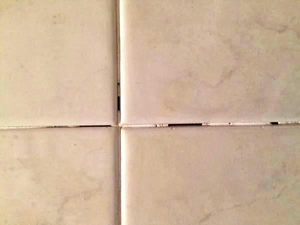
One reason homeowners schedule tile and grout cleaning is the contrast that develops between tile and grout.
Many ceramic and porcelain tiles have comparatively smooth surfaces. Grout joints, especially traditional cement-based grout, can be more porous and textured.
That creates tiny areas where soil can collect.
Consider everything that crosses a kitchen floor during a normal week: shoes, socks, bare feet, pet paws, grocery bags, cooking splashes, crumbs, mop water, and occasional spills.
Each event may leave only a tiny amount of soil behind.
Over months or years, however, that buildup becomes more noticeable.
High-traffic pathways often darken first. You may see clear differences between the grout under a cabinet edge and the grout running through the center of the kitchen.
The grout is not necessarily permanently discolored. It may simply contain more accumulated residue than routine surface cleaning can remove.
This is one reason a professional evaluation is helpful before deciding that grout needs replacement.
Using more cleaner does not always produce a cleaner floor.
Some homeowners respond to dull tile by gradually increasing the amount of cleaning solution in their mop bucket. Unfortunately, if that product is not rinsed correctly, the floor may develop a film.
That film can affect the appearance of the tile and may attract dirt.
The Tile Council of North America specifically notes that improperly rinsed cleaning products can leave sticky residue behind.
This is why following product directions matters during routine home maintenance.
If a label specifies a dilution ratio, using extra concentrate does not necessarily improve cleaning performance.
When your floor starts looking hazy shortly after mopping, residue may be part of the problem.
Before your professional appointment, resist the temptation to keep adding new products.
Let the technician see the floor in its normal condition.
Kitchens are among the busiest rooms in most homes.
Before tile and grout cleaning, begin by removing floor mats, pet bowls, trash cans, and movable kitchen chairs.
Check beneath the edge of the refrigerator, oven, dishwasher, and cabinets for loose crumbs or objects that may interfere with cleaning.
You do not need to pull major appliances away from the wall unless that has been specifically arranged.
Pay particular attention to the floor near the stove.
Cooking oils and food residue can settle onto surrounding surfaces over time. Even when those areas are mopped regularly, the grout may gradually darken.
The area near the sink is another common trouble spot because water splashes and daily traffic repeatedly affect the same section.
Pointing these areas out during your walkthrough helps the technician understand your priorities immediately.
Bathrooms create a different set of challenges.
Remove bath mats, bathroom scales, wastebaskets, storage baskets, and anything sitting directly on the floor.
Pick up towels and clothing as well.
Make sure there is a clear path into the room.
If the tile continues into a shower or another wet area that you want evaluated, mention that when scheduling so the cleaning company understands the scope of the job.
Bathroom buildup may include ordinary soil, moisture-related residue, soap products, or cosmetics.
Avoid coating the grout with acidic DIY solutions before your appointment, particularly when you do not know exactly what type of grout is installed.
Instead, allow your technician to inspect the surface first.
Entryways often show wear quickly because they receive concentrated foot traffic.
For Bowling Green families, outdoor soil can easily enter on shoes, especially during rainy weather or after time spent in the yard.
Start by removing shoes, boot trays, rugs, benches that are easy to move, sports equipment, backpacks, and pet supplies.
Sweep or vacuum the loose dirt.
Then stop.
You do not need to mop repeatedly until the water looks clear.
Professional tile and grout cleaning is intended to address the more stubborn soil that regular maintenance leaves behind.
After cleaning, adding a good entrance mat and encouraging family members to remove heavily soiled shoes can help reduce future buildup.
Usually, no.
Routine cleaning is fine, but deep scrubbing immediately before professional service is unnecessary.
If you have already tried cleaning the grout yourself, tell the technician what products you used.
That is particularly helpful when you applied concentrated cleaners, grout pens, sealants, or coating products.
A professional needs to know whether the visible surface is the original grout or whether another product may be covering it.
You are not expected to know the chemistry involved.
Simply sharing what you remember gives the technician more information to work with.
Vinegar is frequently recommended online as a general household cleaner, but homeowners should be cautious about assuming it is appropriate for every tiled surface.
Traditional cementitious grout is alkaline, and the Tile Council of North America explains that acids can attack cement-based grout.
Because the materials in your floor may not be obvious just by looking at them, using acidic products as a universal grout-cleaning solution is not a good preparation strategy.
Instead, use products specifically recommended for your flooring materials and follow manufacturer directions.
If you are unsure, wait for the professional inspection.
For families, cleaning is not only about appearance. It is also about how products are used around the people and pets living in the home.
The EPA recommends following cleaning-product labels carefully, using appropriate dilution, providing ventilation where recommended, and never mixing cleaning products.
Homeowners who want to learn more about identifying cleaning products with safer ingredient profiles can also review the EPA’s guidance on greener cleaning products and the Safer Choice program. EPA guidance on greener cleaning products
Keeping cleaning simple can be especially helpful before a professional appointment.
There is no need to create a homemade chemical mixture or test several products at once.
Remove loose debris, clear the work area, and allow the cleaning professional to evaluate the floor.
Many homeowners use a tile cleaning appointment as an opportunity to think about other heavily used surfaces throughout the house.
Perhaps the kitchen tile needs attention while the living room carpet has developed traffic lanes. Maybe the couch could use upholstery cleaning, or the family room contains an area rug that has collected dust and everyday soil.
Safe-Dry® of Bowling Green offers a range of cleaning services for local homes, including professional carpet cleaning, upholstery cleaning, rug cleaning, area rug cleaning, and pet stain and odor removal services.
If you are already planning deep cleaning services around the home, asking about several areas at once can help you understand what should be cleaned and what can wait.
For example, homeowners searching for carpet cleaning in Bowling Green, KY may also discover that the same high-traffic habits affecting carpet are affecting nearby tile.
Shoes carry soil across both surfaces. Pets move between carpet and hard floors. Children may travel from the kitchen to the living room several times during a meal.
Thinking about the home as connected spaces can make routine maintenance easier.
That does not mean every surface needs professional cleaning at the same time. Instead, it allows you to prioritize the areas that need the most attention.
A good professional cleaning visit should begin with communication.
Show the technician which areas you want cleaned and explain any concerns you noticed while preparing.
Point out the dark grout near the sink. Mention the old spill near the pantry. Explain that you used a particular cleaning solution recently.
If you have questions, this is the right time to ask them.
The technician can inspect the surface, discuss the condition of the floor, and explain the recommended cleaning approach.
This initial walkthrough is also the time to discuss expectations.
Some discoloration may be caused by soil that can be removed through cleaning. Other color differences may come from permanent staining, wear, damaged grout, previous coatings, or variations in the original installation.
Understanding those differences helps homeowners know what professional cleaning can realistically accomplish.
Drying and aftercare recommendations depend on the service performed, the floor materials, environmental conditions, and whether an additional treatment such as grout sealing is applied.
Follow the technician's instructions after the appointment.
Even if a tile surface feels dry quickly, certain grout treatments may need additional time before normal foot traffic or moisture exposure.
If you need access to an important area immediately after service, such as the only bathroom in the home or the main route into the kitchen, mention that before cleaning begins.
The technician may be able to plan the work sequence accordingly.

Professional cleaning gives you a fresh starting point. Everyday habits determine how quickly the floor begins collecting new soil.
Sweep or vacuum regularly so dry particles do not accumulate.
Clean spills promptly rather than allowing them to sit on grout.
Use an appropriate floor cleaner in the recommended amount. More product is not automatically better.
Rinse when the product instructions call for rinsing.
Avoid letting dirty mop water circulate across the entire floor. Change the water when it becomes visibly soiled.
Place mats near exterior doors to catch dirt before it travels farther into the home.
For kitchens, wipe up cooking splashes soon after they occur.
For bathrooms, control excess moisture and allow surfaces to dry properly.
These simple habits will not eliminate the need for deeper cleaning forever, but they can help slow down the return of visible buildup.
There is no single schedule that fits every household.
A lightly used guest bathroom may stay clean much longer than a kitchen occupied by a family with children and pets.
Several factors influence how quickly grout becomes soiled, including foot traffic, cooking activity, pets, the type of grout, whether the grout is sealed, the cleaning products used, and how often routine maintenance occurs.
Rather than choosing a cleaning schedule based only on the calendar, watch the condition of the floor.
If grout remains noticeably darker after normal cleaning, tile looks dull despite proper maintenance, or high-traffic sections no longer match less-used areas, it may be time to request a professional evaluation.
Usually, no. A quick sweep or vacuum to remove loose debris is helpful, but there is generally no reason to perform a full deep mopping immediately before the appointment. Avoid applying waxy, oily, or heavy cleaning products that could leave additional residue on the floor.
Move small, lightweight items when it is safe and convenient. Chairs, stools, baskets, floor mats, pet bowls, and similar objects are good candidates. Do not attempt to move heavy furniture or appliances if doing so could cause injury or floor damage. Ask the cleaning company what needs to be moved.
It is better to avoid experimenting with strong cleaners immediately before the appointment. Different grout and tile materials respond differently to cleaning chemicals. If you have already used bleach or another product, tell the technician during the walkthrough. Never mix bleach with other household chemicals.
Acidic cleaners can affect cement-based grout. The Tile Council of North America advises that acids can attack cementitious grout, so vinegar should not be treated as a universal solution for every tile installation.
You can. Vacuuming or sweeping loose crumbs, dust, pet hair, and dry soil helps clear the working surface. Use a vacuum attachment intended for hard flooring.
Move food bowls, water dishes, toys, and bedding out of the cleaning area. Keep pets in another secure, comfortable part of the home while equipment is being used and while technicians are moving in and out.
Yes. Remove small area rugs, runners, kitchen mats, bath mats, and similar coverings from the tile being cleaned. If those rugs also need professional rug cleaning, ask your technician about available options.
Mention them when scheduling or during the appointment. Safe-Dry® of Bowling Green also handles pet accident cleaning, pet stain removal, pet odor removal, carpet odor removal, and related treatment for appropriate soft surfaces. A technician can evaluate the affected area and explain the available options.
You can ask about combining or coordinating services. Households often have several surfaces that need attention, including tile, carpet, rugs, and upholstery. Coordinating professional carpet cleaning with hard-floor cleaning can be convenient when planning a larger home refresh.
It helps, but do not worry if you are unsure. If you have installation records, leftover tiles, manufacturer information, or product packaging, keep them available. Otherwise, the technician can inspect the floor and discuss what they observe.
Some cement-based grout may benefit from sealing, but the proper recommendation depends on the tile, grout, existing treatments, and condition of the floor. Ask your technician whether sealing is appropriate for your installation.
Not every color difference is caused by removable dirt. Grout can also experience permanent staining, wear, previous coating, repair work, mineral deposits, or differences from the original installation. A professional evaluation can help identify what appears to be normal soil and what may require another type of treatment or repair.
No. You do not have to wait until grout looks extremely dark. Professional cleaning can also be part of periodic home maintenance, especially in high-traffic kitchens, bathrooms, laundry rooms, and entryways.
You can contact the local Safe-Dry® team to discuss your flooring and schedule an evaluation. Safe-Dry® of Bowling Green serves the Bowling Green area, including ZIP code 42101, and offers online scheduling for local cleaning appointments. Schedule Safe-Dry® service in Bowling Green
Getting ready for professional tile and grout cleaning does not mean spending the night before your appointment scrubbing floors.
In fact, the best preparation is usually simple.
Pick up small objects. Move lightweight furniture where practical. Sweep away loose debris. Keep pets and children clear of the work area. Take note of stubborn grout lines or spills you want the technician to see. Most importantly, avoid applying a collection of strong cleaning products immediately before professional service.
Those small steps create a clearer workspace and help your technician focus on what matters: giving your tile and grout a deeper, more thorough refresh.
For Bowling Green families, clean floors are part of creating a home that feels comfortable, welcoming, and easier to enjoy every day. Kitchens see meals, homework, pets, muddy shoes, and countless trips to the refrigerator. Bathrooms begin and end busy days. Entryways welcome everyone who walks through the door.
Those surfaces work hard.
When regular sweeping and mopping no longer give you the results you want, Safe-Dry® of Bowling Green, KY is ready to help. Whether you are interested in tile and grout cleaning or want to ask about professional carpet cleaning, upholstery cleaning, area rug cleaning, or pet stain and odor removal, the local team can help you understand your options.
Prepare the room, point out the areas that concern you, and let professional cleaning take care of the deeper work.
Schedule your Safe-Dry® service today and give the hardworking floors in your Bowling Green home the clean reset they deserve.