Menu
Same-Day Service Available!
Pet hair has a way of showing up everywhere. It collects across sofa cushions, works its way into seams, clings to upholstered chairs, and gathers in corners that are easy to miss during normal cleaning. For families with cats or dogs, keeping furniture free from loose hair can feel like a job that never quite ends.
Regular vacuuming helps, but it is only part of the solution. A pet hair brush, lint roller, damp microfiber cloth, and careful attention to cushions and crevices can make everyday furniture care much easier. However, when hair, dander, body oils, odors, and everyday soil have settled deeper into the fabric, professional upholstery cleaning can provide the more thorough refresh your furniture needs.
At Safe-Dry® of Bowling Green, KY, we understand how much families actually use their furniture. Sofas are where pets curl up for naps, kids watch movies, guests gather, and families relax after long days. Keeping those surfaces clean is about more than appearance. It is about making one of the most-used areas of your home feel fresher and more comfortable.
Homeowners can also see the simple pet-hair care tips that inspired this guide in our original Safe-Dry® Facebook post.
The good news is that pet hair does not have to take over your furniture. With the right routine, a little patience, and professional upholstery cleaning when deeper care is needed, you can keep sofas, chairs, cushions, and other upholstered surfaces looking much better between cleanings.
Pet hair may look like a surface-level problem, but upholstery makes it surprisingly easy for hair to hang on.
Fabric furniture contains thousands of small fibers. Depending on the weave and texture, those fibers can catch loose fur as pets walk, jump, sleep, or rub against the furniture. Static electricity can make the problem worse, especially when indoor air is dry.
Short pet hairs can sometimes be even more stubborn than long hairs. They may weave themselves between upholstery fibers rather than simply resting on top. Running a vacuum over the couch once may remove loose debris while leaving many of these embedded hairs behind.
Furniture construction also creates hiding places.
Hair frequently collects between cushions, underneath removable cushions, along piping, around buttons, under armrests, and where the back of the sofa meets the seat. These spots may look clean from across the room while holding a surprising amount of pet hair.
Pets also leave more than visible fur behind. Dander, dust, outdoor particles, natural body oils, saliva residue, and other soils can collect on upholstered surfaces over time.
The U.S. Environmental Protection Agency recommends routinely vacuuming carpets and fabric-covered furniture as part of regular household cleaning.
For pet owners, therefore, regular furniture care can become an important part of maintaining a cleaner home.
People sometimes use “pet hair” and “pet dander” interchangeably, but they are not exactly the same.
Pet hair is the visible fur your dog or cat sheds. Dander consists of tiny flakes of skin. Other pet-related allergens can also come from saliva and other biological material.
Hair is easy to notice because it gathers on dark upholstery, clothing, pillows, and floors. Dander can be much harder to see.
According to the EPA, pets can be a source of biological contaminants and allergens in the home. The agency recommends regular cleaning of carpets and upholstered furniture as one way to reduce buildup.
This distinction is one reason simply picking visible hairs off the couch does not equal a complete furniture cleaning.
Removing fur certainly helps the furniture look better. However, routine vacuuming and periodic upholstery cleaning can address a wider range of material that settles into the fabric through normal household use.
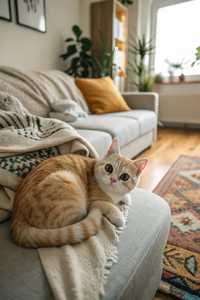
There is no single schedule that works for every household.
A home with one short-haired dog that rarely sits on the couch will have different needs from a home with several long-haired pets that spend hours on upholstered furniture.
For many pet-friendly homes, a light cleaning once or twice a week is a useful starting point. Heavy shedders may require more frequent attention, especially during seasonal shedding periods.
Pay attention to what you see rather than following the calendar alone.
If fur becomes visible across the cushions only a day after cleaning, increase the frequency. Quick maintenance sessions are usually easier than waiting until a thick layer of hair has accumulated.
Your furniture color matters too. White pet hair on a dark navy couch will become noticeable much faster than similar-colored hair on neutral upholstery. Visibility does not always indicate how much hair is actually present.
Households with allergy-sensitive family members may also choose to vacuum furniture more frequently. The EPA notes that routine cleaning can help reduce buildup of indoor dust and allergens, including animal dander.
A good pet hair routine does not need to be complicated. Using a few simple tools in the right order can make the process faster and more effective.
Start by taking blankets, pillows, toys, and removable covers off the furniture.
Shake washable blankets outside when practical, then launder them according to their care labels. Pet blankets often hold a large amount of loose fur, so cleaning them separately can prevent hair from immediately returning to the sofa.
Look around and underneath decorative pillows as well. Fur tends to accumulate anywhere pets regularly lean or sleep.
Removing these items gives you clear access to the entire upholstered surface.
Use an upholstery attachment if your vacuum includes one.
Move slowly across the seat, back, arms, and other fabric-covered areas. Slow passes give the vacuum more opportunity to collect loose hair and debris.
Avoid racing over the furniture with quick movements. Several controlled passes are usually more useful than one fast pass.
If the fabric has a visible nap or grain, vacuum carefully and follow the furniture manufacturer's care recommendations.
For households concerned about dust or allergens, a vacuum with effective filtration may also be useful. The EPA notes that HEPA filtration can help prevent some collected dust from escaping back into indoor air.
Vacuuming does not always release hair that has become tangled with fabric fibers.
A pet hair brush or upholstery-safe rubber tool can help gather stubborn strands into small piles. Work across one section at a time instead of brushing the entire couch randomly.
Use gentle pressure.
Aggressive scrubbing may be unnecessary and could affect delicate fabrics. Always consider the upholstery type before using any brush or grooming-style tool.
Once the hair gathers together, pick it up by hand or vacuum the loosened material.
Lint rollers are useful for finishing touches.
They work particularly well on chair backs, armrests, decorative pillows, ottomans, and small areas where only a little fur remains.
Roll in several directions because hairs can become trapped at different angles.
A lint roller is not the most practical choice for cleaning an entire sectional sofa. However, it can be excellent for quick maintenance before guests arrive or for catching the last few hairs after vacuuming.
A clean microfiber cloth can pick up fine hairs that other tools leave behind.
Dampen the cloth lightly with water and wring it thoroughly. The cloth should be barely damp rather than wet.
Gently wipe the upholstery if the furniture's care instructions allow this method.
Hair may begin gathering into small clumps that are easy to lift away.
Never saturate upholstery. Different furniture fabrics respond differently to moisture, and excess water can create unnecessary problems. When you are unsure whether moisture is appropriate for a particular fabric, check the manufacturer's care label or ask a professional.
This step makes a major difference.
Remove every cushion that is designed to come out. Vacuum underneath each one, along the frame, and inside the narrow gaps around the edges.
Use a crevice attachment to reach tight spaces.
Pet hair commonly collects alongside crumbs, dust, and other debris in these areas. Cleaning only the visible cushion surfaces can leave much of the buildup untouched.
Before replacing the cushions, vacuum both sides when appropriate.
Stand back and inspect the sofa from several angles.
Natural light can reveal fur that was difficult to see during cleaning. Look closely at seams, corners, piping, skirted areas, and the lower front edge.
A quick second pass can catch anything you missed.
Once everything looks good, replace the cushions, pillows, and clean blankets.
Vacuuming is one of the best routine habits for furniture care, but a vacuum is primarily designed to collect loose particles and debris.
Over time, upholstered furniture can also collect body oils, food residue, beverage spills, odors, tracked-in soil, and other material that becomes attached to or settles within the fabric.
Pets add another layer.
A dog may come inside after playing outdoors and jump directly onto the couch. A cat may sleep in the same upholstered chair every afternoon. Natural oils can gradually transfer from fur and skin to the fabric.
Eventually, the furniture may start looking dull even after the visible pet hair has been removed.
This is where upholstery cleaning becomes useful.
Professional cleaning is intended to go beyond simply picking up loose fur. The goal is to refresh the upholstered material itself while using a method appropriate for the fabric and its condition.
Visible pet hair does not necessarily create the strongest odors by itself.
Odor problems may involve oils, saliva, moisture, accidents, dirt, or other organic residue that has reached the fabric. When contamination moves below the visible surface, spraying an air freshener over the furniture does not solve the source.
Fragrance may temporarily cover a smell. Once the fragrance fades, the original odor can return.
Pet accidents deserve particular attention.
Urine can move beyond the upholstery surface and reach cushion filling or other interior materials. The deeper it travels, the harder the problem may be to address with basic household cleaning.
Professional pet odor removal or pet stain and odor removal may require evaluating how far the contamination traveled before choosing a treatment.
A similar principle applies to carpet odor removal, pet urine carpet cleaning, cat urine removal, and dog urine removal. Surface appearance alone does not always show the full extent of contamination.
Prompt attention usually gives you a better opportunity to manage a fresh accident before it spreads.
Speed matters when liquid reaches upholstery.
However, acting quickly does not mean using every cleaner you have in the cabinet.
Use a clean, absorbent white towel to blot moisture.
Press rather than scrub.
Scrubbing can spread liquid outward and may push contamination farther into the fabric. Continue using clean sections of the towel as moisture transfers.
Upholstery fabrics vary significantly.
Some tolerate certain water-based cleaning methods, while others require different care. Before applying a household cleaning solution, check the manufacturer's instructions and cleaning code when available.
More cleaner does not mean better cleaning.
The EPA specifically warns homeowners never to mix cleaning products because incompatible chemicals can create dangerous vapors. It also recommends following product labels and checking whether a cleaner is compatible with the intended surface.
Avoid experimenting with combinations of household chemicals on upholstery.
Pouring large amounts of liquid onto a pet accident can spread the problem deeper.
The top fabric may eventually feel dry while moisture remains in the cushion interior. Controlled treatment is much safer than soaking the area.
If the smell remains after the surface dries, deeper contamination may be present.
Professional upholstery cleaning can provide an opportunity to evaluate the affected area and determine an appropriate approach. Severe pet accidents may require more specialized treatment than a standard surface refresh.
Most pet owners are simply trying to keep their furniture looking good. However, a few common habits can make cleaning harder.
One mistake is waiting too long between vacuuming sessions. A small amount of loose hair is easier to collect than weeks of buildup that has been pressed into the upholstery through daily use.
Another mistake is scrubbing aggressively. Hard brushing may distort certain fabrics or drive debris farther into textured material.
Using too much water is another concern. Upholstery is not a hard floor. Moisture can travel beneath the surface and may take longer to dry than expected.
Strong fragrances are also sometimes mistaken for cleaning. A heavily scented product can make a room smell different without actually removing the source of an odor.
Finally, homeowners sometimes use a cleaning product without checking the fabric first.
Furniture can be made from natural fibers, synthetic fibers, blends, microfiber, velvet, and many other materials. A method that works perfectly on one couch may not be appropriate for another.
When in doubt, professional evaluation is the safer option.
You may never eliminate shedding completely, but you can reduce how quickly fur takes over your furniture.
Regular pet grooming is one of the simplest strategies. Removing loose hair during grooming means less of it reaches sofas, rugs, and carpet.
Wash pet bedding regularly according to its care instructions. A heavily used dog bed can hold hair that eventually gets carried onto surrounding surfaces.
Consider placing a washable pet blanket over your pet's favorite spot. It is usually much easier to wash a blanket than to deep clean an entire sofa every few days.
Vacuum nearby floors as well.
Pet hair does not stay where it lands. Air movement, foot traffic, and normal household activity can move lightweight fur from the floor back toward furniture.
Area rug cleaning and carpet cleaning also become part of the bigger picture in pet-friendly homes. Hair, soil, and other debris can collect across several soft surfaces at the same time.
A whole-home routine is often more effective than focusing exclusively on the couch.
The main sofa gets most of the attention, but smaller upholstered items can collect plenty of pet hair.
Ottomans are especially easy to overlook. Dogs may lean against them, cats may sleep on top of them, and people regularly put their feet on them.
Decorative pillows can collect hair along seams and textured fabric.
Dining chairs with upholstered seats may also need regular attention, particularly in open-plan homes where pets move freely between the kitchen and living areas.
Include these surfaces when you vacuum.
Cleaning the couch while ignoring every nearby fabric surface can allow loose hair to migrate right back onto freshly cleaned cushions.
Take a moment to look where the cushions meet the sofa frame.
These narrow spaces often become collection points for pet hair, crumbs, dust, and everyday debris. Because they are mostly hidden, buildup can continue for months without being noticed.
A crevice attachment is ideal for these areas.
Move the cushions completely instead of trying to push a vacuum attachment into the gap from above. Vacuum the bottom of the cushions and the exposed frame before putting everything back together.
If you have a sectional, inspect each connection point as well.
Spending a few extra minutes on hidden areas can make routine upholstery care much more complete.
Furniture does not exist in isolation.
A freshly cleaned couch sits next to carpet, rugs, curtains, pet beds, and other surfaces that collect everyday debris. Keeping these areas maintained together can make the whole room feel noticeably fresher.
For example, carpet cleaning may make sense alongside upholstery cleaning when both surfaces receive heavy pet traffic.
Area rug cleaning can help refresh rugs that sit directly in front of sofas or under coffee tables. Oriental rug cleaning may require more specialized care depending on the rug's construction, fibers, dyes, and condition.
Pet stain removal and odor elimination may also need to address more than one surface if an accident affected both a sofa and the carpet below it.
Instead of thinking about each surface separately, consider how your family actually uses the room.
Pets move from floors to rugs to furniture. Kids do the same. A practical cleaning plan follows those patterns.
Routine maintenance can handle a lot, but there are times when professional upholstery cleaning becomes the more practical choice.
One sign is a generally dull appearance. If the couch still looks tired after thorough vacuuming and pet hair removal, embedded soil may be contributing to the problem.
Persistent odors are another sign.
If you remove visible hair but continue noticing pet smells, food odors, or stale fabric, the source may require more than surface maintenance.
Visible spots also deserve attention, particularly when you do not know what caused them.
Another good time to schedule cleaning is when you have simply reached the limit of what routine maintenance can accomplish. A busy family should not have to spend every weekend repeatedly cleaning the same sofa with disappointing results.
Homeowners searching for upholstery cleaning near Bowling Green can turn to Safe-Dry® for professional care designed around the needs of real households.
Professional service begins with understanding the furniture.
Fabric type, construction, condition, spots, odors, and areas of heavy use all matter. A technician can evaluate the upholstery before deciding how to proceed.
The cleaning process can then focus on accumulated soil and problem areas that normal vacuuming has not resolved.
Safe-Dry® focuses on cleaning approaches that fit our family-first philosophy, including safe, hypoallergenic, soap-free, and quick-drying care where appropriate.
Fast drying is especially valuable for busy households. Families want to get back to using their living spaces without waiting an unnecessarily long time for furniture to become usable again.
Professional service can also help homeowners avoid the guesswork involved in choosing random cleaning products for an unfamiliar fabric.
It is easy to assume that more soap creates cleaner fabric.
In reality, cleaning is about removing soil effectively, not simply adding detergent.
Residue left on a surface can affect how the material feels and may contribute to future soil attraction. Safe-Dry® emphasizes a soap-free approach as part of our goal of leaving cleaned surfaces fresh and comfortable.
This philosophy also fits naturally with households that want a straightforward cleaning process without heavy, unnecessary product buildup.
The exact approach still depends on the upholstery itself. Professional assessment remains important because fabrics differ.
A sofa is not a surface most families can simply avoid for several days.
It may be the center of the living room. Kids use it after school. Pets have their favorite corner. Parents relax there in the evening.
A quick-drying cleaning process helps reduce disruption.
For Bowling Green, KY households balancing work, school, pets, activities, and everyday life, convenience matters. Professional upholstery cleaning should make home care easier, not turn the living room into an unusable space for an extended period.
Drying time can vary based on the furniture, fabric, environmental conditions, and service performed. However, a low-moisture approach can help support a faster return to normal use.
Upholstery cleaning and professional carpet cleaning share a basic purpose: refreshing soft surfaces that collect soil through everyday use.
However, they are not interchangeable services.
Furniture fabrics can be very different from carpet fibers. Upholstery construction also includes padding, seams, cushions, decorative details, and other components that require careful treatment.
Carpet, meanwhile, experiences different types of wear. Foot traffic presses soil into fibers, while entryways and hallways often develop concentrated traffic patterns.
Pet households may benefit from both services because pets spend time on both surfaces.
If you are considering carpet cleaning in Bowling Green, KY along with upholstery service, ask about the condition of each area rather than assuming every surface requires exactly the same process.
A professional carpet cleaning service can also evaluate carpet stain removal, carpet deodorizing, pet accident cleaning, and related concerns.
Consistency is easier than constantly catching up.
Choose one day each week for a quick soft-surface reset.
Start by washing or replacing pet blankets. Vacuum the sofa and chairs. Use a lint roller on stubborn areas. Clean beneath removable cushions. Vacuum rugs and carpet, then wipe nearby hard surfaces with an appropriate cloth.
Check pet beds while you are at it.
This routine does not need to consume your entire day. Once you stay ahead of the buildup, each session usually becomes easier.
During heavy shedding seasons, add a short midweek vacuum.
The goal is not perfection. A pet-friendly home is supposed to be lived in. The goal is simply to prevent hair and everyday debris from accumulating faster than you can comfortably manage them.
Once a month, look at your furniture more closely.
Check beneath the cushions. Look for spots you may not have noticed. Smell areas where pets regularly sleep. Inspect the sides and back if they are accessible.
Look at the floor underneath the furniture too.
A small spot is easier to address when you notice it early. The same applies to odor and pet hair buildup.
Monthly checks also help you recognize when your regular routine is no longer producing the results you want.
At that point, scheduling professional upholstery cleaning may save you considerable time and effort.
Rental and consumer cleaning machines can look convenient, but upholstery requires caution.
The biggest concern is not simply whether a machine sprays cleaning solution. The important questions are whether the fabric can tolerate the method, how much moisture is being applied, how effectively that moisture is being recovered, and whether the cleaning product is appropriate.
Overwetting a cushion can create a much larger problem than the original spot.
Using too much detergent can also leave residue.
Before using any machine, read the furniture manufacturer's instructions and the equipment directions carefully. Never assume a cleaning method is safe for every fabric because it worked on another piece of furniture.
If the furniture is valuable, delicate, heavily soiled, or affected by significant pet contamination, professional service may be the more sensible choice.
The internet is filled with homemade cleaning recipes.
Some involve vinegar. Others use baking soda, dish soap, peroxide, essential oils, or combinations of several ingredients.
A homemade mixture is not automatically appropriate for upholstery.
Different fabrics, dyes, backing materials, and cushion components can react differently. A mixture that appears harmless can discolor fabric, leave residue, create a ring, or affect texture.
Mixing household cleaning chemicals can also be dangerous. The EPA advises consumers to follow cleaning product directions and never mix cleaning products.
For a small, simple issue, follow the furniture manufacturer's care guidance. For an unknown stain, persistent odor, or deeper pet accident, professional help can reduce unnecessary experimentation.
Keeping pets off upholstered furniture can reduce hair and dander accumulation, but every household has different rules.
Some families are perfectly happy sharing the couch with their pets.
If that describes your home, focus on maintenance rather than trying to change a routine everyone enjoys.
Use washable covers or blankets on favorite pet spots. Groom pets regularly. Vacuum often. Rotate and clean cushions when appropriate.
If someone in the household has allergies or asthma, different considerations may apply. The EPA recommends keeping pets away from upholstered furniture as one strategy for reducing exposure to pet allergens in sensitive households.
Health concerns should always be discussed with an appropriate healthcare professional when needed.
Rugs near furniture often collect the same pet hair that lands on the sofa.
A dog jumps off the couch, stretches on the area rug, and walks through the rest of the house. Hair and debris travel with that movement.
Regular area rug cleaning can therefore complement furniture care.
Vacuum rugs according to their construction and care instructions. Rotate them when appropriate to encourage more even wear. Address spills promptly.
Specialty rugs deserve additional caution.
Oriental rug cleaning, for example, may involve considerations related to fiber type, dyes, construction, and age. Avoid treating a valuable rug as though it were ordinary wall-to-wall carpet.
Professional guidance can help when you are uncertain.
A little preparation can make service day easier.
Remove toys, blankets, books, electronics, and personal belongings from the furniture. Put fragile items from nearby tables somewhere safe.
If possible, vacuum obvious loose pet hair beforehand, although you can ask your local Safe-Dry® team what preparation they recommend.
Make a note of any spots or odors that concern you.
Tell the technician about known pet accidents, previous cleaning attempts, or products that have already been applied. This information can be useful when evaluating the furniture.
Keep pets in a comfortable, secure area while service is underway. Doing this gives the technician room to work and prevents curious paws from entering the work area.
Once cleaning is complete, follow the technician's guidance about drying and when to resume normal use.
Homeowners have plenty to consider when selecting a cleaning company.
Price matters, but it should not be the only consideration.
Ask what type of cleaning approach is used. Discuss drying time. Mention pets, stains, odors, or sensitive areas before service begins. Make sure you understand what is included in the estimate.
If you are comparing upholstery and carpet cleaning prices or looking for an affordable carpet cleaning option at the same time, focus on value rather than automatically choosing the cheapest advertised price.
A clear carpet cleaning estimate or upholstery quote should help you understand the service being recommended for your home.
Likewise, carpet cleaning deals, specials, or coupons can be useful, but the quality and suitability of the service still matter.
Your furniture is part of your home. Care should be based on its actual condition rather than a one-size-fits-all approach.
Start with thorough vacuuming using an upholstery attachment. Next, use a pet hair brush or suitable rubber tool to loosen embedded hairs. A lint roller can help with smaller areas, while a barely damp microfiber cloth may collect remaining fur if the fabric allows it.
Remember to remove cushions and vacuum the crevices.
Many pet owners benefit from vacuuming upholstered furniture at least weekly. Homes with multiple pets or heavy shedders may need it more often.
Watch how quickly hair returns and adjust your schedule accordingly.
Loose pet hair should be addressed as part of preparing and cleaning the furniture, but professional upholstery cleaning has a broader purpose. It can help refresh fabric affected by accumulated soil, oils, spots, and everyday use.
Regular pet hair removal between professional services is still important.
Vacuuming mainly removes loose material. Odor sources may be attached to the fabric or may have reached beneath the surface.
Pet accidents, body oils, moisture, food residue, and other contaminants can contribute to lingering odors.
If odor remains after normal maintenance, professional evaluation may help identify the next step.
Yes. Liquid can move through upholstery fabric and into interior cushion materials.
The extent depends on the amount of liquid, the cushion construction, and how quickly the accident is addressed. Avoid oversaturating the area while trying to clean it.
Persistent urine odor may require specialized treatment.
Do not assume a carpet cleaning product or machine is suitable for upholstery.
Furniture fabrics and construction vary significantly. Check the manufacturer's cleaning instructions before applying any product or using equipment.
When you are unsure, contact a professional.
A lint roller is useful for quick touch-ups, but it is not a complete furniture-cleaning method.
It works best after vacuuming or for small areas where only a little fur remains. It will not address deeper soil, odors, or contamination within upholstery.
Groom your dog regularly, wash pet bedding, use a washable blanket on favorite couch spots, vacuum frequently, and clean beneath cushions.
Wiping paws after outdoor activity can also reduce the amount of soil pets carry into the home.
Not necessarily, but it can make sense when both surfaces receive heavy use.
Pet hair, dander, dirt, and odors can affect carpet, rugs, and furniture at the same time. If several soft surfaces look or smell overdue for cleaning, ask about addressing them together.
The best method depends on the source and depth of the odor.
Start by removing loose hair and debris. For a recent accident, blot moisture promptly and follow the furniture's care instructions. Avoid masking persistent smells with fragrance alone.
If odor returns or remains after cleaning, professional pet odor removal may be appropriate.
Professional upholstery cleaning can address many types of everyday spots and staining, although results depend on the stain, fabric, age of the problem, and previous treatments.
Tell your technician what caused the stain whenever possible.
Drying time varies according to the fabric, cleaning method, amount of moisture used, airflow, temperature, humidity, and furniture construction.
Safe-Dry® focuses on quick-drying cleaning methods where appropriate so families can return to normal routines sooner.
Consider professional cleaning when the furniture remains dull after vacuuming, odors continue returning, stains are difficult to identify, pet accidents have penetrated beneath the surface, or you are unsure which cleaning method is safe for the fabric.
Professional help can also be worthwhile when you simply want a more complete refresh than routine household cleaning can provide.
Pets make homes more fun, more active, and occasionally much hairier.
A little fur on the couch is part of life for many pet owners. However, layers of embedded hair, everyday soil, spots, and lingering odors do not have to become permanent features of your furniture.
Start with a simple routine. Vacuum regularly. Use a pet hair brush for stubborn fur. Keep a lint roller handy for quick touch-ups. Try a lightly damp microfiber cloth when appropriate for the fabric. Most importantly, remember the cushions, seams, and crevices where hair loves to hide.
When those steps are no longer enough, professional upholstery cleaning can give your furniture the deeper attention it needs.
Safe-Dry® of Bowling Green, KY, 42101 is ready to help local families care for the upholstered surfaces they use every day. Our family-focused approach emphasizes safe, hypoallergenic, soap-free, and quick-drying cleaning solutions where appropriate, helping make professional cleaning easier to fit into a busy household.
Whether your couch needs a general refresh, your favorite chair has collected months of pet hair, or you are dealing with stubborn spots and odors, our team can help you determine the right next step. We can also discuss related services such as carpet cleaning, rug cleaning, pet stain removal, and odor treatment when several areas of your home need attention.
Your pets can keep their favorite spot on the couch. You can simply make that spot easier to keep fresh.
Contact Safe-Dry® of Bowling Green to request a quote or schedule professional upholstery cleaning and give your furniture a cleaner, fresher start.