Menu
Same-Day Service Available!
You vacuumed your area rug, treated the visible spots, and may have even cleaned the entire surface. Still, the colors look muted. The fibers appear flat, and the rug no longer has the fresh appearance you expected.
This problem is common because a rug can hold much more than the dirt you see on top. Fine soil may settle near the base of the fibers. Cleaning products can leave a cloudy residue. Pet oils, cooking particles, moisture, and everyday foot traffic can also change the rug’s texture and appearance.
Sometimes, the rug is clean on the surface but remains dull underneath. In other cases, the cleaning method itself may have left behind too much moisture or product. Fiber wear, fading, pile direction, and damaged rug backing can also affect the finished result.
Proper area rug cleaning starts with understanding the rug. Its fibers, dyes, construction, age, and condition all influence how it should be cleaned. A method that works well on a washable synthetic rug may not be safe for wool, silk, viscose, or a handcrafted Oriental rug.
Safe-Dry® helps families in Bowling Green, Kentucky, care for rugs with a gentle, low-moisture cleaning process. Our approach focuses on removing soil and residue without leaving the rug soaked in heavy cleaning solution.
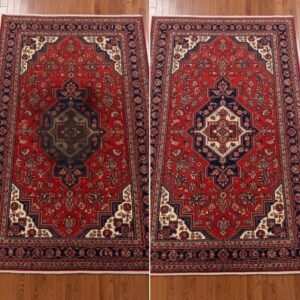
Area rugs deal with constant household activity. They catch dust from the air, soil from shoes, crumbs from meals, pet hair, body oils, and particles carried in from outside.
A rug may hide this buildup for a long time because its color and pattern disguise the soil. Eventually, the fibers stop reflecting light evenly. Bright colors become muted, and the surface starts looking gray or flat.
Several conditions can contribute to this change.
Vacuuming removes loose debris from the upper fibers. However, very fine particles may travel toward the rug backing.
Every step can push grit deeper. Once it settles near the base of the pile, normal vacuum passes may not provide enough airflow or agitation to remove it.
This hidden soil affects more than cleanliness. Grit can rub against fibers as people walk across the rug. Over time, the friction may contribute to matting, texture changes, and a dull appearance.
A rug that looks clean from a distance may release a surprising amount of dust when lifted or moved.
Using too much rug cleaner is a common cause of dullness. Many products contain detergents or additives that need to be removed thoroughly.
When the rug is rinsed poorly, residue remains on the fibers. The dried product can create a cloudy film, attract new soil, and make the surface feel stiff or sticky.
Adding another cleaner may briefly improve the smell. However, each application can create another layer of buildup.
A professional rug cleaning service may be needed when the rug has been treated repeatedly with sprays, shampoos, powders, or rental machines.
Dry soil should be removed before moisture is introduced.
When water mixes with loose dust, the particles can form muddy residue. Instead of being lifted away, the soil may spread through the fibers and dry in place.
Thorough dry soil removal is one of the most important preparation steps for effective area rug cleaning.
Slow drying can affect the rug’s appearance and odor. Moisture may settle into dense pile, backing material, or padding beneath the rug.
A rug that remains damp can develop a stale smell, browning, color movement, or texture changes. Moisture trapped between the rug and a hard floor may also affect the surface underneath.
Quick drying does not mean applying high heat. The rug must be dried using a method suitable for its fibers, dyes, construction, and backing.
Furniture weight and repeated foot traffic can flatten the pile. Once the fibers lean in different directions, they reflect light unevenly.
A high-traffic section may look darker even when it is not heavily stained. Vacuuming from different directions can sometimes improve the appearance, but permanent wear may remain.
Professional cleaning can remove soil around compressed fibers. It cannot always restore fibers that have been physically damaged or permanently crushed.
Sunlight can gradually change rug dyes. Areas near windows may become lighter than sections protected by furniture.
Cleaning may make the difference more noticeable because the remaining soil no longer hides the faded area.
Color loss caused by sunlight is not the same as dirt. Professional cleaning can improve cleanliness, but it cannot put faded dye back into the fibers.
Pets often rest in the same areas. Natural skin oils, hair, dander, saliva, and outdoor soil can build up where they sleep or play.
Cooking residue may also settle on rugs near kitchens and dining areas. Fine airborne particles can cling to fibers and create a dull or greasy appearance.
These materials may not respond fully to ordinary vacuuming. Targeted area rug cleaning can help remove buildup that has attached to the fibers.
Routine vacuuming is essential, but it has limits.
A vacuum works best on loose, dry soil. It may not remove oily residue, dried spills, sticky cleaning products, urine contamination, or deeply embedded grit.
The result also depends on the vacuum itself.
A clogged filter, full bag, blocked hose, or worn brush roll reduces performance. The machine may sound normal while leaving much of the soil behind.
Check the vacuum regularly. Empty the collection container, replace bags and filters as directed, and remove hair from the brush roll.
A cleaning head set too high may pass over the rug without lifting debris. A setting that is too low can restrict airflow or pull aggressively on delicate fibers.
Use the setting recommended for the rug. Avoid rotating brushes on fringe, looped fibers, or delicate construction unless the manufacturer approves them.
Fast passes do not give the machine enough time to collect fine particles.
Move slowly and overlap each pass. High-traffic sections may need several passes from different directions.
The Carpet and Rug Institute suggests that high-traffic and pet areas may need more frequent vacuuming than low-use spaces.
Loose soil can settle beneath an area rug. Dust and grit may also collect on the backing and floor underneath it.
When it is safe to move the rug, vacuum the floor below and follow the manufacturer’s directions for caring for the reverse side.
Never use an aggressive rotating brush on a delicate backing.
Homeowners often apply more product when a rug still looks dirty. Unfortunately, extra cleaner can create the exact problem they are trying to solve.
Detergent must be diluted and removed correctly. A stronger mixture may create more foam but does not guarantee better cleaning.
Excess detergent can dry into the pile. The rug may feel crunchy, look hazy, and attract soil faster.
A general carpet shampoo is not suitable for every area rug.
Rug fibers may include wool, cotton, nylon, polyester, silk, viscose, or blended materials. Dyes and backing adhesives also vary.
A formula designed for wall-to-wall synthetic carpet could affect a natural-fiber or handcrafted rug differently.
Treating the same spot several times can create a visible ring. The product may loosen soil in the center while leaving a residue boundary around the treated area.
The spot can also become brighter than the surrounding rug, making the rest of the surface appear dull.
Powder may settle near the backing, especially in thick rugs. A standard vacuum may not remove all of it.
Remaining powder can combine with humidity or spills and form a difficult residue.
Vinegar, dish soap, laundry detergent, baking soda, and other household ingredients are often suggested for rug cleaning. However, a homemade mixture is not automatically safe.
The wrong concentration can leave residue, alter dyes, stiffen fibers, or affect the backing.
Check the rug manufacturer’s care label and test any approved product in a hidden area first.
Some treatments coat the fibers rather than clean them. The rug may look brighter for a short time, but the coating can attract dust and change the texture.
A clean rug should not depend on a sticky or oily finish to look refreshed.
Rugs that look similar can respond very differently to cleaning.
Before treating the rug, identify its fiber whenever possible. Look for the manufacturer’s label, purchase information, or care instructions.
Wool is durable, comfortable, and naturally resilient. However, it can be sensitive to high alkalinity, aggressive agitation, excessive heat, and improper drying.
Wool also has a complex fiber structure that can hold soil.
A wool rug may need specialized treatment to protect its softness and color. Using an unsuitable cleaner can leave it stiff, faded, or uneven.
Nylon, polyester, olefin, and other synthetic fibers are common in family homes. Many are durable and stain resistant, but they still collect oily residue and embedded soil.
Some synthetic rugs tolerate more cleaning options than natural fibers. Still, the backing, dyes, and construction must be considered.
Cotton rugs may be washable, but not every cotton rug can go into a household machine.
Washing may cause shrinking, color bleeding, wrinkling, or backing distortion. Follow the care label carefully.
The Carpet and Rug Institute advises that only small rugs specifically labeled as machine washable should be cleaned in a washing machine.
Viscose can have a soft, silk-like appearance, but it is sensitive to moisture and agitation.
Improper cleaning may cause browning, stiffness, texture loss, or permanent appearance changes.
Homeowners should avoid experimenting with a viscose rug when they are unsure of the care requirements.
Silk rugs require highly specialized care. Moisture, heat, friction, and chemicals can affect the fibers and dyes.
A silk rug should be inspected by a qualified rug-cleaning professional before treatment.
Jute, sisal, seagrass, and other natural materials often react poorly to excess moisture. Water can cause browning, shrinkage, staining, or changes in texture.
Vacuuming and prompt dry soil removal are important. Professional guidance is recommended for spills and deeper cleaning.
Oriental rug cleaning requires attention to fiber type, dye stability, fringe, weave, foundation, and previous repairs.
These rugs should not be treated like ordinary synthetic carpet. A professional should inspect them before applying moisture or cleaning solution.
A consistent routine can keep the rug fresher between professional appointments. The safest method depends on the care label, so always begin there.
Look for the fiber content, cleaning codes, and manufacturer instructions.
Do not assume that a rug is washable because it is small. Backing materials, dyes, and edge construction may react poorly to water.
Inspect the fringe, edges, seams, backing, and worn areas.
Loose threads or damaged binding can worsen during vacuuming. Repair may be needed before deeper cleaning.
Pick up toys, coins, hair clips, pet items, and anything else that could become caught in the vacuum.
Move lightweight furniture by lifting it rather than dragging it across the rug.
Use a vacuum setting appropriate for the pile height and construction.
Move in slow, overlapping passes. Avoid running a rotating brush across fringe.
For delicate rugs, use suction-only equipment or follow the manufacturer’s recommendations.
Rotate the rug every few months when practical. This helps distribute sunlight exposure and foot traffic more evenly.
A rug beneath heavy furniture may need assistance to move safely.
Lift the rug carefully and vacuum the hard floor or carpet underneath it.
Check for trapped grit, moisture, discoloration, and pad deterioration.
Do not replace the rug until the floor is clean and completely dry.
Remove solids carefully. Then press a clean white towel onto the liquid.
Work from the outside of the spill toward the center. Avoid scrubbing because friction can spread the stain and damage the fibers.
Use only a treatment approved for the rug.
Do not place a wet rug directly onto hardwood or another moisture-sensitive floor.
Improve airflow after spot cleaning. Keep people and pets away until the treated area has dried.
A spot that returns after drying may be caused by residue or moisture traveling upward from deeper in the rug.
Repeatedly applying more cleaner can enlarge the problem. Contact a professional stain removal service when the spot continues to return.
Routine maintenance removes surface soil. Professional area rug cleaning can address deeper buildup, residue, spots, and odors.
The appropriate schedule depends on traffic, pets, children, allergies, rug construction, and manufacturer recommendations.

A rug may look clean while wet and develop a visible spot after it dries.
This problem is often called resoiling or wicking, although the exact cause can vary.
Moisture can dissolve residue beneath the surface. As the rug dries, the moisture travels upward and carries soil with it.
The spot then reappears at the top of the pile.
Sticky residue attracts dust and oils. The treated area becomes dirty faster than the surrounding rug.
A spot may seem to return even though new soil is attaching to old product.
A large spill can travel through the pile and into the rug’s foundation or pad.
Surface cleaning may improve the top while leaving contamination underneath. Moisture can draw the remaining material back toward the surface.
Dense or absorbent areas may stay wet longer than the surrounding fibers. Uneven drying can create rings, shading, or texture changes.
Professional cleaning includes attention to controlled moisture and drying.
Pet accidents create more than a visible stain. Urine may travel through the rug, reach the pad, and collect on the floor underneath.
A household spray may improve the surface smell temporarily. However, complete pet stain and odor removal often requires treating every affected layer.
Fresh urine should be absorbed quickly using clean white towels. Avoid scrubbing or soaking the rug.
Tell the cleaning professional whether the accident came from a dog, cat, puppy, senior pet, or another animal. The size, age, and frequency of the accidents can influence the treatment.
Dogs may repeatedly use the same section of a rug. Remaining odor can make the area attractive for future accidents.
Professional dog urine removal should focus on the contamination rather than simply adding fragrance.
Cat urine odor can become especially strong after it dries. It may also affect nearby walls, furniture, or flooring.
Cat urine removal may require careful inspection beyond the visible spot.
A pet odor eliminator should address the source of the smell. Heavy perfume may cover the problem for a short time but does not remove urine residue.
Professional pet odor removal can be combined with area rug cleaning when the rug is suitable for treatment.
Always inspect the floor beneath a rug after a pet accident.
Urine can damage hardwood finishes, enter seams, stain carpet, or affect rug pads. Pet urine carpet cleaning or hard-floor treatment may also be necessary.
A rug pad improves comfort, reduces movement, and can help protect the flooring underneath. However, an old or unsuitable pad may contribute to cleaning problems.
Some pads break down with age. They may leave powder, sticky residue, or rubber-like particles beneath the rug.
This material can work into the backing and affect the floor.
Grit can pass through the rug and settle in the pad. Each step moves the particles against the backing.
Vacuum beneath the rug regularly and replace damaged pads.
A dense pad may hold moisture after a spill or cleaning. If the rug is placed back too soon, both materials may dry slowly.
Never cover damp flooring with a rug and pad.
Some rubber or latex pads can react with certain flooring finishes. Choose a pad approved for both the rug and the floor beneath it.
Cleaning removes soil. It cannot reverse every form of physical wear.
Understanding the difference can help homeowners set realistic expectations.
Repeated friction can roughen, flatten, or break fibers. Damaged areas may reflect light differently and look darker.
Cleaning can improve cleanliness around the fibers but cannot rebuild them.
Older rugs may lose fibers in high-traffic sections. The foundation becomes more visible, making colors appear lighter or uneven.
A rug repair specialist may be needed.
Ultraviolet exposure can change dyes. A faded section will remain lighter after cleaning.
Rotate rugs periodically and use window treatments to reduce uneven exposure.
Bleach, strong disinfectants, acne medication, household cleaners, and other chemicals can remove or alter color.
Stain removal cannot restore dye that has been chemically changed.
Heavy furniture can compress the pile. Some fibers recover with time and careful grooming, while others remain indented.
Use furniture cups or approved protectors to distribute weight.
A professional service begins by evaluating the rug rather than selecting one universal cleaning method.
Safe-Dry® offers area rug cleaning in Bowling Green with attention to fiber type, visible damage, soil level, stains, odors, and drying needs.
The technician checks the pile, backing, fringe, edges, dyes, and overall condition.
Existing wear, fading, stains, and repairs should be documented before cleaning.
The cleaning method depends on whether the rug is synthetic, wool, cotton, natural fiber, or another material.
Handcrafted rugs may need specialized Oriental rug cleaning rather than standard onsite care.
Removing loose soil before applying a cleaning solution helps prevent dust from becoming embedded mud.
This stage can make a significant difference in the finished appearance.
Food, grease, pet accidents, beverages, cosmetics, soil, and cleaning residue respond differently.
A technician may use a targeted stain removal service based on the type of spot and rug material.
The goal is to loosen soil without oversaturating the rug.
Safe-Dry® uses a low-moisture approach intended to avoid leaving rugs soaked for an extended period.
Old cleaning products may need attention during the service. Removing residue helps improve softness and reduce rapid resoiling.
Pile direction affects how a rug reflects light. Grooming can create a more even finished appearance where the fibers are still healthy.
The rug must dry fully before it is returned to regular use.
Drying time depends on the material, pile density, backing, humidity, airflow, temperature, and amount of treatment required.
The technician examines the cleaned rug and discusses the results.
Permanent wear, fading, dye loss, or backing damage may remain even after the soil is removed.
A good rug cleaner should ask questions before making promises.
Homeowners searching for carpet cleaners in Bowling Green or area rug cleaning near them should consider the provider’s process, experience, and communication.
Some rugs can be cleaned safely in the home. Others may require offsite or specialty treatment.
The answer depends on the rug’s material, construction, size, condition, and level of contamination.
The technician should understand what the rug is made from before applying a cleaning solution.
Dye stability and previous damage may also need evaluation.
Tell the cleaner about shampoos, powders, stain sprays, pet treatments, vinegar, detergent, or other products applied to the rug.
This information can help prevent unwanted chemical interactions.
Pet accident cleaning is common. Point out every suspected location, even when the spot is no longer visible.
Mention whether urine may have reached the rug pad or flooring.
The best area rug cleaning service should explain what can be improved and what may be permanent.
No responsible cleaner can guarantee that every stain, odor, faded section, or damaged fiber will disappear.
Soil often affects more than one surface.
Safe-Dry® of Bowling Green also provides professional carpet cleaning and related home services, including upholstery cleaning, pet stain and odor removal, and specialty rug care.
Rugs collect particles that enter the home through daily activity. Vacuuming and regular cleaning help manage dust and other settled material.
The United States Environmental Protection Agency recommends frequent cleaning and notes that vacuuming carpets and furniture can help reduce indoor dust buildup.
A rug should not be treated as the only part of the room that needs attention.
Sofas and chairs collect many of the same particles as rugs. Professional upholstery cleaning may help when fabric looks dull or holds odor.
Dust can move beyond the rug edges and settle underneath.
Use a method appropriate for the flooring and let the surface dry before replacing the rug.
Mats near doors collect outdoor soil before it reaches larger rugs.
Shake, vacuum, and clean entry mats regularly.
Repair leaks and address spills promptly. Avoid placing rugs over damp floors.
Long-term moisture can affect rugs, pads, flooring, and indoor comfort.
Use appropriate airflow during and after cleaning.
The EPA notes that ventilation can help remove or dilute some indoor pollutants.
The cost of area rug cleaning depends on more than the rug’s dimensions.
Several factors can affect the estimate:
A detailed estimate is more useful than choosing a service based only on the lowest advertised price.
Affordable area rug cleaning provides appropriate care at a fair cost. Cheap cleaning may rely on a universal process that does not account for delicate fibers, unstable dyes, or damaged backing.
A low price offers little value if the rug is left wet, sticky, discolored, or misshapen.
Homeowners may ask about carpet cleaning prices when scheduling rug care.
Combining area rug cleaning with a carpet cleaning service, upholstery cleaning, or pet odor removal may simplify the appointment. Ask what is included in the carpet cleaning estimate.
Carpet cleaning deals, carpet cleaning specials, and carpet cleaning coupons may apply to wall-to-wall carpet rather than specialty rugs.
Review the details before scheduling. Oriental rug cleaning and advanced pet urine removal may require separate pricing.
Share accurate information about the rug’s size, material, age, condition, and spots.
Photos can support an initial discussion, but an in-person inspection may reveal issues that are not visible in an image.
Contact Safe-Dry® Carpet Cleaning of Bowling Green to ask about service availability and request a cleaning estimate.
A few consistent habits can reduce dullness and slow down soil buildup.
Place mats near exterior doors to catch grit before it reaches the rug.
Clean the mats frequently so they continue working effectively.
Shoes bring outdoor soil, moisture, and small particles into the home.
Leaving shoes near the entry can reduce wear on both rugs and carpet.
Do not wait until the rug looks dirty.
Entryways, living rooms, and pet areas may need attention several times a week.
Periodic rotation distributes foot traffic and sunlight more evenly.
Make sure the rug and furniture can be moved safely.
A clean, supportive pad helps reduce movement and friction.
Choose one that is approved for the rug and flooring.
Press liquids with a clean white towel. Avoid rubbing.
Contact a professional when the spill is large, oily, strongly colored, or located on a delicate rug.
Fragrance does not replace cleaning.
Powders and sprays may leave residue when used frequently.
Vacuum where pets rest and wash removable pet bedding regularly.
Address accidents immediately to reduce staining and odor.
Do not place damp shoes, wet towels, leaking plants, or pet bowls directly on the rug.
Use protective trays where needed.
Waiting until the rug looks extremely dirty can make restoration more difficult.
Routine professional care helps prevent layers of soil and product residue from accumulating.
Fine soil may be trapped near the bottom of the pile. Oily residue, sticky spills, and cleaning products may also remain attached to the fibers.
A vacuum removes loose debris but cannot solve every type of buildup.
Too much detergent, poor rinsing, or improper drying may leave the fibers stiff.
Some natural fibers can also change texture when cleaned incorrectly.
Cleaning can remove soil and residue that hide the rug’s colors.
It cannot reverse permanent fading, bleach damage, dye loss, or severe fiber wear.
The schedule depends on traffic, pets, children, allergies, rug construction, and manufacturer recommendations.
Busy family rooms may need service more often than decorative rugs in low-use rooms.
Only wash it if the care label specifically says it is machine washable.
The rug’s size, backing, dyes, and construction must also be suitable for the machine.
Not every rug can tolerate heat, moisture, or steam.
A professional should identify the fiber and construction before recommending a method.
The rug may have dried too slowly, retained cleaning product, or held contamination in the backing or pad.
Pet urine and other spills can also release odor when moisture is introduced.
Browning may result from soil movement, backing materials, natural fibers, excessive moisture, or slow drying.
Professional inspection is recommended before applying another product.
Baking soda may leave fine powder in the pile. It does not remove deeply embedded soil or repair worn fibers.
Follow the rug manufacturer’s instructions instead of relying on a general household remedy.
Cleaning residue can attract soil. Entry dirt, pet activity, dirty rug pads, and incomplete vacuuming may also contribute.
A soap-free or low-residue professional process may help reduce rapid resoiling.
Fresh accidents often respond better than old contamination.
The treatment depends on the rug fiber, dyes, backing, amount of urine, and whether the pad or floor was affected.
Both can create difficult stains and odors. Cat urine may produce a particularly strong smell as it dries.
A professional should inspect the full affected area rather than treating only the visible spot.
Yes. Dust, grit, spills, and pet urine can collect underneath.
Use a cleaning method appropriate for the flooring and let it dry fully before replacing the rug.
Cleaning and grooming may improve some temporary compression.
Permanent fiber damage or deep indentations may remain.
Pile direction changes how the fibers reflect light. This effect is common in rugs with soft or dense pile.
Vacuuming or grooming the fibers in one direction may create a more uniform appearance.
Handcrafted rugs may have sensitive dyes, natural fibers, fringe, and specialized construction.
Professional Oriental rug cleaning is usually safer than experimenting with household products.
Remove solids gently and press the liquid with a clean white towel.
Work from the outside inward. Avoid scrubbing, flooding, or mixing cleaners.
Small furniture may need to be moved for complete access.
Ask the service provider which items should be removed before the appointment.
Drying time depends on the rug’s material, thickness, backing, treatment level, airflow, temperature, and humidity.
Keep the rug away from normal traffic until it is fully dry.
Service combinations may be available depending on the rugs, carpeted areas, and local schedule.
Mention all requested services when asking for an estimate.
A dull rug does not always need to be replaced. Fine soil, detergent residue, pet buildup, uneven pile, and slow drying can all hide the color and softness that made the rug appealing in the first place.
Begin with careful maintenance. Vacuum slowly, rotate the rug, clean beneath it, respond to spills promptly, and avoid saturating the fibers with household products. Follow the care label and treat delicate materials with caution.
When the rug still looks gray, sticky, flat, or uneven after routine care, professional area rug cleaning may provide the deeper attention it needs. A trained technician can evaluate the fibers, construction, stains, odors, backing, and previous treatments before choosing a cleaning method.
Safe-Dry® of Bowling Green provides family-focused rug cleaning designed to remove trapped soil and residue without relying on excessive water or heavy soap. Our team can also help with professional carpet cleaning, upholstery cleaning, Oriental rug cleaning, pet odor removal, and other deep cleaning services for a fresher home.
Schedule area rug cleaning with Safe-Dry® in Bowling Green, Kentucky, or request a quote to discuss your rug’s condition. The right care can help your rug look cleaner, feel softer, and fit comfortably back into the room your family enjoys.